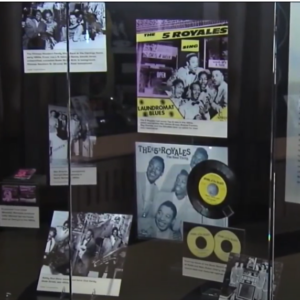
At 706 Union Avenue in Memphis, Tennessee, a modest storefront studio became the unlikely epicenter of a musical revolution. Sun Studio, founded by Sam Phillips in 1950, didn’t just record music-it forged a new cultural language. By blending blues, gospel, country, and R&B, Phillips and his artists created rock ’n’ roll, a genre that would redefine global culture. This is the story of how a tiny studio with a “record anything” ethos became the cradle of musical innovation.
The Vision of Sam Phillips
Sam Phillips, a former radio engineer, opened Memphis Recording Service in 1950 with a radical goal: to capture the raw, unfiltered sounds of Black musicians overlooked by mainstream labels. “If I could find a white man who had the Negro sound and the Negro feel, I could make a billion dollars,” he famously remarked-a statement often criticized for its commercial pragmatism but rooted in his genuine admiration for Black artistry.
Phillips’ studio, later renamed Sun Records, became a haven for artists marginalized by segregation. Early recordings included blues legends like Howlin’ Wolf, B.B. King, and Junior Parker, whose visceral performances laid the groundwork for rock’s rebellious spirit.
The Sun Sound: Innovation in a Shoebox
Sun Studio’s magic lay in its imperfections. The cramped space-barely larger than a living room-created a distinctive acoustic texture. Phillips pioneered the “slapback echo”, a tape-delay effect that added depth to sparse arrangements. By placing instruments in unconventional spots (even the bathroom), he crafted a live, urgent sound that larger studios couldn’t replicate.
Key elements of the Sun sound:
- Minimalist instrumentation: Drums, slapped bass, and twangy guitars replaced orchestral flourishes.
- Hybrid energy: Blues’ emotional intensity met country’s storytelling cadence.
- Live takes: Imperfections were celebrated, giving tracks an unvarnished authenticity.
Elvis and the Million Dollar Quartet
In 1954, an 18-year-old truck driver named Elvis Presley walked into Sun Studio to record a gift for his mother. His rendition of Arthur Crudup’s blues number “That’s All Right” fused Delta rhythms with Appalachian fervor, creating what many consider the first rock ’n’ roll single.
Sun’s roster soon expanded to include Johnny Cash, Jerry Lee Lewis, and Carl Perkins. On December 4, 1956, a spontaneous jam session brought these artists together, later dubbed the Million Dollar Quartet. Though Cash’s vocals are absent from recordings, the session symbolized rock’s collaborative spirit, with gospel hymns like “Peace in the Valley” blending seamlessly with rockabilly swagger.
Sun’s Role in Breaking Barriers
At a time of rigid racial segregation, Sun Studio operated as an integrated space. The house band Bill Black (bass), Scotty Moore (guitar), and D.J. Fontana (drums) backed Black and white artists alike. Tracks like Jackie Brenston’s “Rocket 88” (1951)-often called the first rock record-featured Ike Turner’s distorted guitar, a sound born from a damaged amplifier turned serendipitous innovation.
Phillips’ business model also challenged norms. He sold masters to major labels, allowing artists like Elvis to reach wider audiences while retaining creative control-a rarity in an era of exploitative contracts.
The Sun Catalog: Pioneering Recordings
- “Rocket 88” (Jackie Brenston, 1951): A proto-rock anthem with fuzzed-out guitar.
- “Blue Suede Shoes” (Carl Perkins, 1956): Rockabilly’s definitive anthem.
- “Great Balls of Fire” (Jerry Lee Lewis, 1957): Piano-driven chaos that redefined showmanship.
- “I Walk the Line” (Johnny Cash, 1956): A crossover hit blending country restraint with rock’s urgency.
Decline and Resurgence
By 1959, Phillips shifted operations to a larger studio, and Sun’s original site became an auto parts store. The label’s final single was released in 1963, overshadowed by Motown and British Invasion acts.
Yet, Sun’s legacy endured. In 1987, the studio reopened as a museum and active recording space. U2’s Rattle and Hum (1988) sessions paid homage to its history, while modern artists like Chris Isaak and Jack White have sought its gritty acoustics.
Why Sun Studio Still Matters
- Cultural Crossroads: Sun proved music could transcend racial and social divides.
- DIY Ethos: Phillips’ resourcefulness inspired indie labels worldwide.
- Timeless Sound: The slapback echo and live energy remain benchmarks for authenticity.
Visiting Sun Studio Today
Now a National Historic Landmark, Sun offers daily tours where visitors can:
- Stand where Elvis recorded his first track.
- See the original microphone used by Johnny Cash.
- Record their own tracks in the same space as legends.
The Sound That Changed the World
Sun Studio’s story isn’t just about music-it’s about cultural rebellion. In a segregated era, Sam Phillips bet on talent over pedigree, creating a sound that united audiences across racial lines. From Elvis’ hip shakes to Jerry Lee’s piano pyrotechnics, Sun’s artists didn’t just play music; they ignited a revolution. As Bono once said while recording at Sun: “This is where the soul of rock ’n’ roll still lives.”.
Key Milestones
- 1950: Studio opens as Memphis Recording Service.
- 1954: Elvis’ “That’s All Right” launches rock ’n’ roll.
- 1956: Million Dollar Quartet session.
- 1987: Studio reopens as a museum and recording site.
Generated by Perplex.ai