
Beale Street, a vibrant thoroughfare in Memphis, Tennessee, holds an unrivaled place in music history. This legendary street, often referred to as the “Home of the Blues,” has been the backdrop for countless stories of struggle, triumph, and creativity. The music that emerged from Beale Street not only shaped Memphis’ cultural identity but also influenced global music for generations. Behind every note and lyric lies a story, and these stories paint a vivid picture of the legends who walked its cobblestones and performed in its clubs.
W.C. Handy: The Father of the Blues
No discussion of Beale Street would be complete without W.C. Handy, often called the “Father of the Blues.” Handy’s arrival in Memphis in 1909 marked the beginning of a new era for American music. He was inspired by the sounds he heard on Beale Street—the wailing melodies of street performers, the rhythmic stomps of juke joints, and the heartfelt lyrics that captured life’s struggles.
In 1912, Handy composed “The Memphis Blues,” a groundbreaking piece that brought blues music to mainstream audiences. His later composition, “St. Louis Blues,” became one of the most influential songs of the 20th century. Handy’s genius lay in his ability to blend traditional African American folk music with formal musical structures, creating a sound that was both authentic and accessible.
B.B. King: The King of the Blues
Riley B. King, better known as B.B. King, got his start on Beale Street, performing on street corners for tips. Born in rural Mississippi, King brought the Delta blues to Memphis, adding his own unique flair with his expressive guitar playing and soulful voice. His beloved guitar, “Lucille,” became as iconic as the man himself.
King’s breakthrough came in the 1940s when he began performing at the Palace Theater on Beale Street, one of the most popular venues of the time. His performances drew large crowds and eventually caught the attention of record labels. Songs like “The Thrill Is Gone” and “Every Day I Have the Blues” became blues standards, cementing King’s legacy as one of the genre’s greatest legends.
The Story of Beale Street’s Clubs
Beale Street’s vibrant music scene was fueled by its iconic clubs, which served as incubators for talent and innovation. Clubs like The Monarch, Pee Wee’s Saloon, and The Daisy Theatre were more than just venues; they were cultural hubs where musicians and audiences came together to celebrate life and music.
The Monarch was one of the first clubs to gain national recognition, hosting acts like Bessie Smith and Ma Rainey. These performances showcased the power of the blues to convey deep emotion, drawing audiences from all walks of life. Pee Wee’s Saloon, on the other hand, was known for its intimate atmosphere and close-knit community of musicians. It was a place where young talents like B.B. King and Howlin’ Wolf honed their skills before taking their music to the world stage.
Howlin’ Wolf: The Growl of Beale Street
Chester Burnett, known as Howlin’ Wolf, was another artist whose journey intersected with Beale Street. With his towering presence and distinctive growl, Wolf was a force of nature. He began his career playing in juke joints across the South before finding his way to Memphis.
On Beale Street, Howlin’ Wolf collaborated with other blues legends and developed his electrifying stage presence. Songs like “Smokestack Lightnin’” and “Killing Floor” captured the raw energy of the blues and became defining tracks of the genre. Wolf’s influence extended far beyond Memphis, inspiring rock ‘n’ roll icons like The Rolling Stones and Led Zeppelin.
Women of Beale Street: Unsung Heroes
While many of Beale Street’s stories center on male artists, women played a crucial role in shaping its musical legacy. Artists like Alberta Hunter and Memphis Minnie brought their unique perspectives and talents to the stage, breaking barriers and paving the way for future generations of female musicians.
Alberta Hunter, a singer and songwriter, began her career performing in Beale Street’s clubs before achieving international fame. Her powerful voice and poignant lyrics resonated with audiences, making her one of the most celebrated blues artists of her time. Memphis Minnie, a trailblazing guitarist and vocalist, also made her mark on Beale Street. Known for her technical skill and commanding stage presence, Minnie recorded over 200 songs, including the classic “When the Levee Breaks,” later popularized by Led Zeppelin.
Beale Street’s Role in the Civil Rights Movement
During the Civil Rights era, Beale Street became a focal point for activism and cultural expression. Music played a pivotal role in uniting communities and amplifying messages of hope and resilience. Songs like Sam Cooke’s “A Change Is Gonna Come” and Aretha Franklin’s “Respect” echoed the sentiments of the movement and found a receptive audience on Beale Street.
The Lorraine Motel, located near Beale Street, was another significant site during this time. It was here that Dr. Martin Luther King Jr. was assassinated in 1968, a tragedy that deeply impacted the Memphis music community. In the aftermath, musicians on Beale Street continued to use their art as a means of healing and advocacy, ensuring that the spirit of the movement endured.
Preserving the Legacy
Today, Beale Street remains a vibrant symbol of Memphis’ musical heritage. Efforts to preserve its history include the establishment of the Beale Street Historic District and the opening of the Memphis Rock ‘n’ Soul Museum. Visitors can explore landmarks like the W.C. Handy House Museum and the Blues Hall of Fame, which celebrate the contributions of Beale Street’s legends.
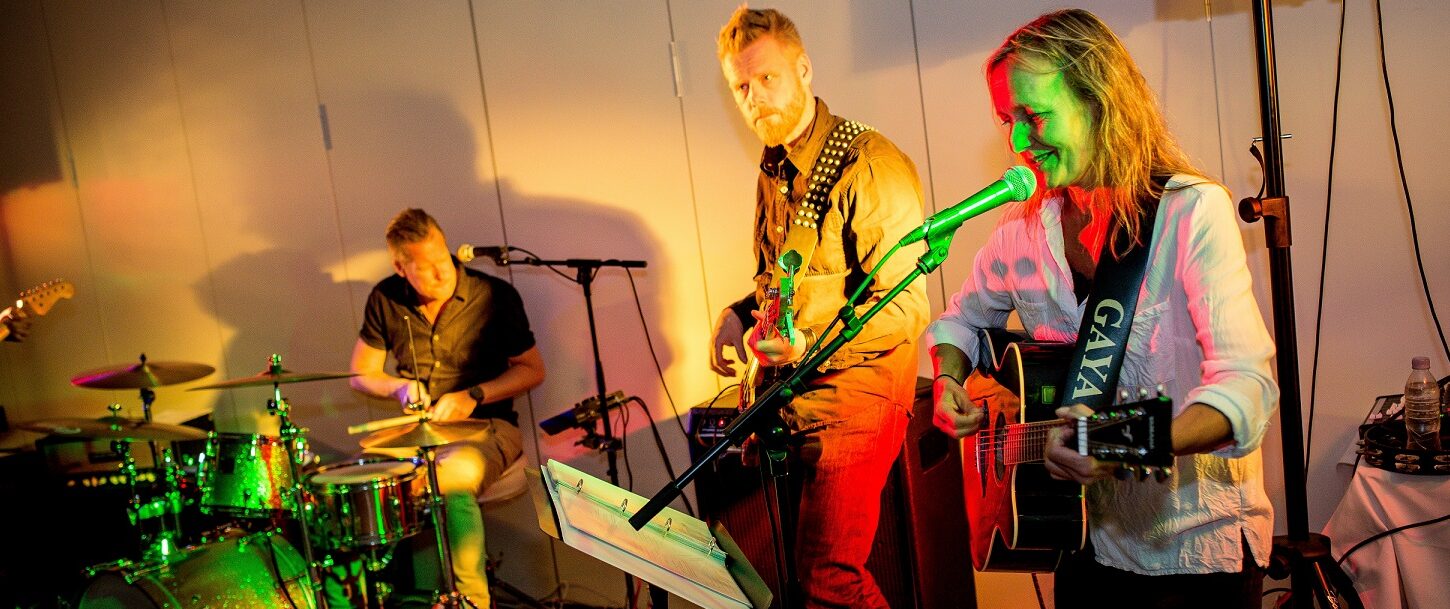
Live music continues to thrive on Beale Street, with clubs like B.B. King’s Blues Club and Rum Boogie Café offering performances that honor the street’s rich tradition. Festivals like the Beale Street Music Festival attract audiences from around the world, showcasing both established artists and emerging talent.
The soundtrack of Beale Street is more than just music; it’s a living testament to the resilience, creativity, and passion of the artists who shaped its legacy. From W.C. Handy’s pioneering compositions to B.B. King’s soulful performances, the stories behind the legends of Beale Street remind us of the transformative power of music.
As we walk the storied streets of Beale, we are not just hearing songs; we are experiencing history. The music of Beale Street continues to inspire and connect people across generations and borders, ensuring that its legacy will endure for years to come.