Nestled in the heart of Memphis, Tennessee, Beale Street is more than just a road; it is a symbol of musical heritage, cultural resilience, and artistic innovation. For over a century, this iconic stretch has been a haven for musicians and a crucible for the sounds that have shaped modern music. From its humble beginnings to its current status as a world-renowned music destination, Beale Street has earned its reputation as the birthplace of music legends.
The Origins of Beale Street
Beale Street’s story begins in the 19th century when it was established as a commercial hub in Memphis. Named after an unknown war hero, the street quickly became a vibrant center for commerce and culture, particularly for African Americans in the post-Civil War South. By the late 19th and early 20th centuries, Beale Street had blossomed into a thriving community filled with shops, churches, clubs, and theaters.
Music was always at the heart of Beale Street. Early performers brought with them the sounds of the Mississippi Delta—a raw, emotional blend of blues, gospel, and folk traditions. These artists found an eager audience among the bustling crowds, and the street soon became synonymous with this emerging musical style.
The Birth of the Blues
Beale Street’s association with the blues began in earnest during the early 20th century. Musicians like W.C. Handy, often called the “Father of the Blues,” played an instrumental role in popularizing the genre. Handy’s composition “The Memphis Blues” was a groundbreaking piece that introduced the world to the syncopated rhythms and heartfelt melodies that defined blues music. His other works, such as “Beale Street Blues,” paid direct homage to the street that inspired him.
Handy’s influence attracted a wave of talented musicians to Beale Street. Performers like B.B. King, Albert King, and Howlin’ Wolf honed their craft in the clubs and bars that lined the street. These artists didn’t just play music—they told stories of hardship, love, and resilience that resonated deeply with audiences. Beale Street became a place where artists could experiment, collaborate, and share their experiences through song.
A Cultural Melting Pot
What made Beale Street unique was its role as a cultural melting pot. While the blues dominated the scene, the street was also a hub for jazz, ragtime, and gospel music. Clubs like The Palace, The Monarch, and Pee Wee’s Saloon hosted legendary performances that blended these genres, creating a rich tapestry of sound that influenced generations of musicians.
The street’s vibrant nightlife attracted more than just locals. People from across the country came to experience the magic of Beale Street, spreading its influence far beyond Memphis. This cultural exchange helped solidify Beale Street’s status as a launching pad for musical innovation.
The Civil Rights Era and Beale Street’s Decline
Despite its musical success, Beale Street was not immune to the challenges of segregation and economic hardship. During the Civil Rights Era, many African American-owned businesses faced systemic discrimination, and urban renewal projects displaced residents and businesses. By the 1960s, Beale Street had fallen into disrepair, and its once-thriving music scene seemed like a distant memory.
However, the spirit of Beale Street was not extinguished. The legacy of the musicians who had walked its cobblestones continued to inspire new generations. Efforts to preserve and restore the street began in the 1970s, spearheaded by community leaders and historical preservationists who recognized its cultural significance.
The Revival of Beale Street
Today, Beale Street is a vibrant tourist destination and a living tribute to its musical roots. The street’s restoration brought back many of its iconic landmarks, including the Orpheum Theatre and the Handy Park, named after W.C. Handy. Visitors can explore museums like the Memphis Rock ‘n’ Soul Museum and the Blues Hall of Fame, which celebrate the city’s rich musical heritage.
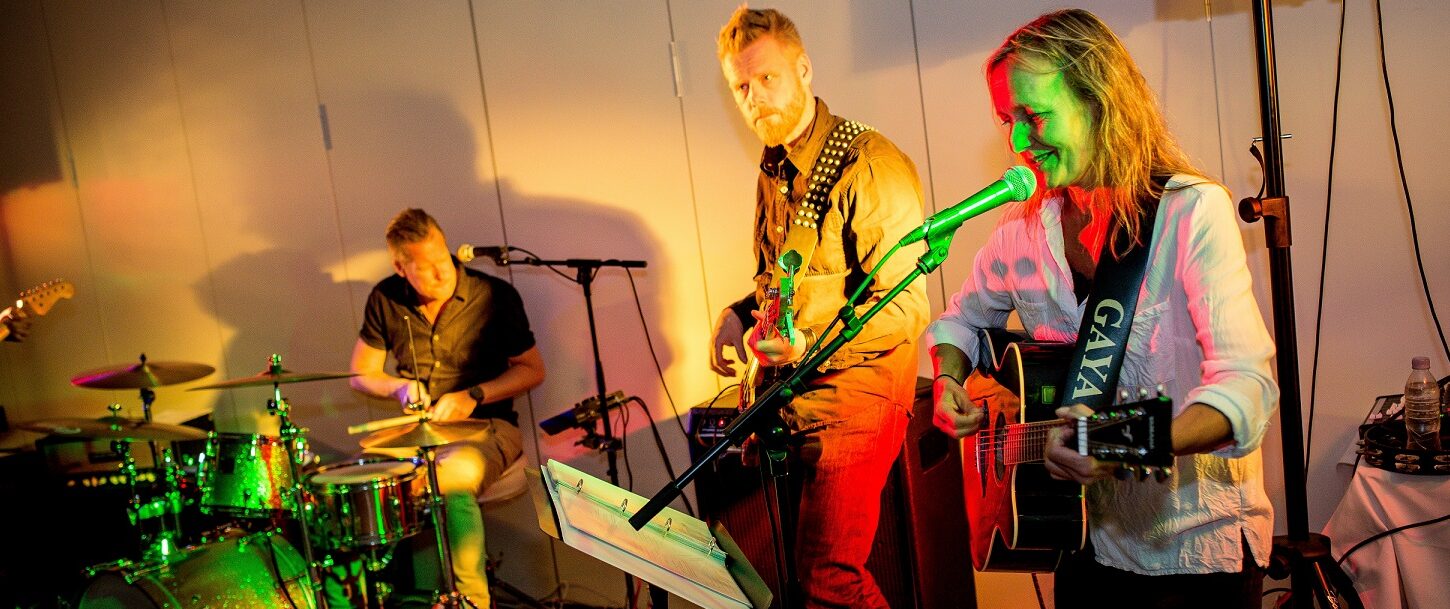
Live music remains the lifeblood of Beale Street. Nightly performances at clubs like B.B. King’s Blues Club, Rum Boogie Café, and the Blues City Café keep the spirit of the blues alive. These venues not only honor the legends of the past but also provide a platform for emerging artists to showcase their talents.
Beale Street’s Lasting Legacy
The influence of Beale Street extends far beyond its three-block stretch. The music that originated here has shaped genres like rock ‘n’ roll, soul, and R&B. Artists from Elvis Presley to Otis Redding and beyond have drawn inspiration from the sounds of Beale Street, ensuring its legacy lives on in the annals of music history.
Beale Street is also a symbol of resilience and community. Its ability to overcome adversity and remain a beacon of creativity is a testament to the power of music and the people who create it. For many, a walk down Beale Street is not just a journey through Memphis’ past but a celebration of its enduring cultural impact.
Beale Street’s legacy as the birthplace of music legends is a story of innovation, perseverance, and passion. From its early days as a hub for blues pioneers to its revival as a cultural landmark, the street has remained a cornerstone of American music. Whether you’re a history buff, a music lover, or a curious traveler, Beale Street offers an unforgettable experience that celebrates the power of music to unite and inspire.
As long as there are stories to tell and songs to sing, Beale Street will continue to be a place where legends are born.